
Erste Erfahrungen mit der Natur

Vom Samen zur Pflanze
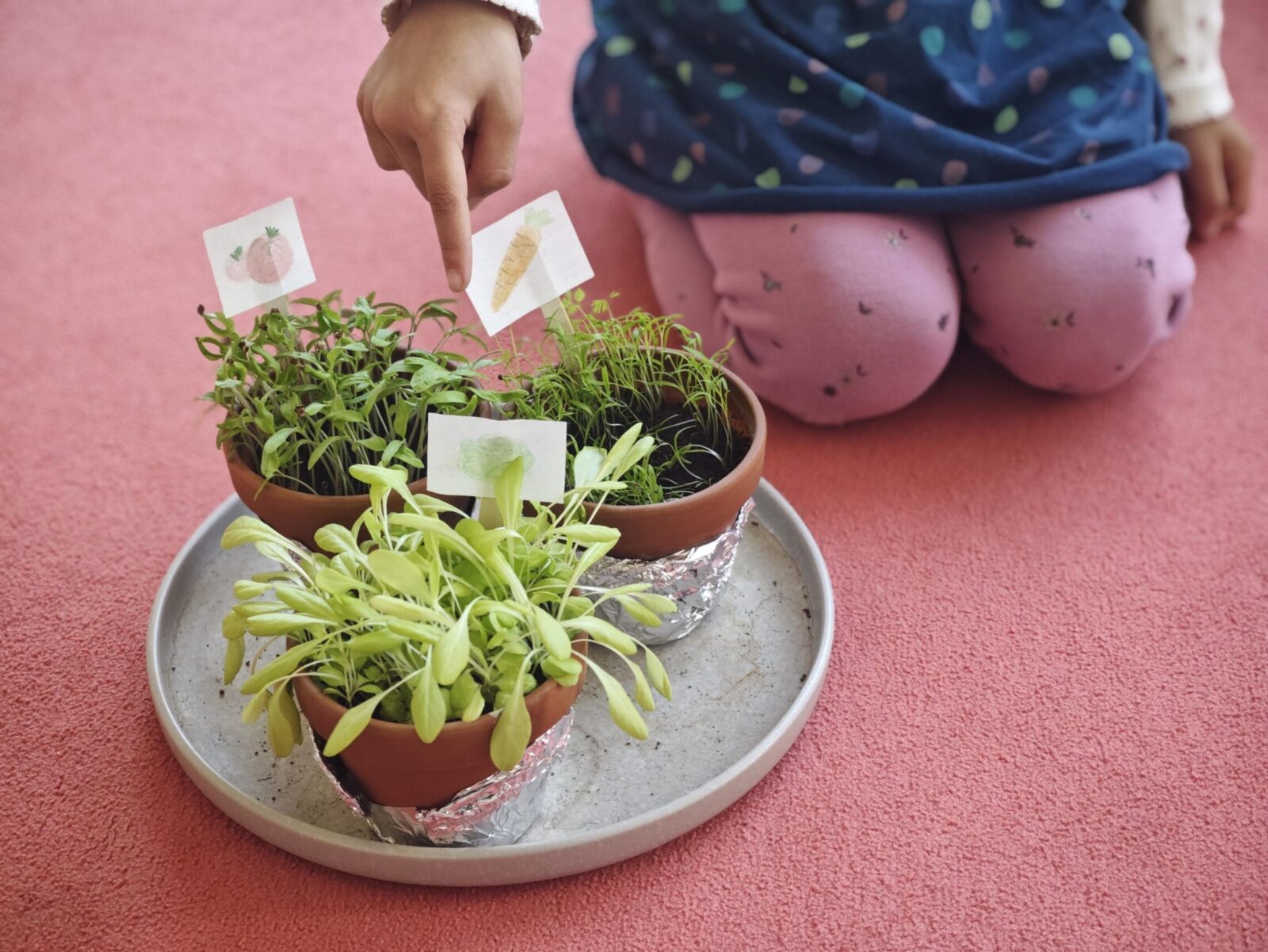
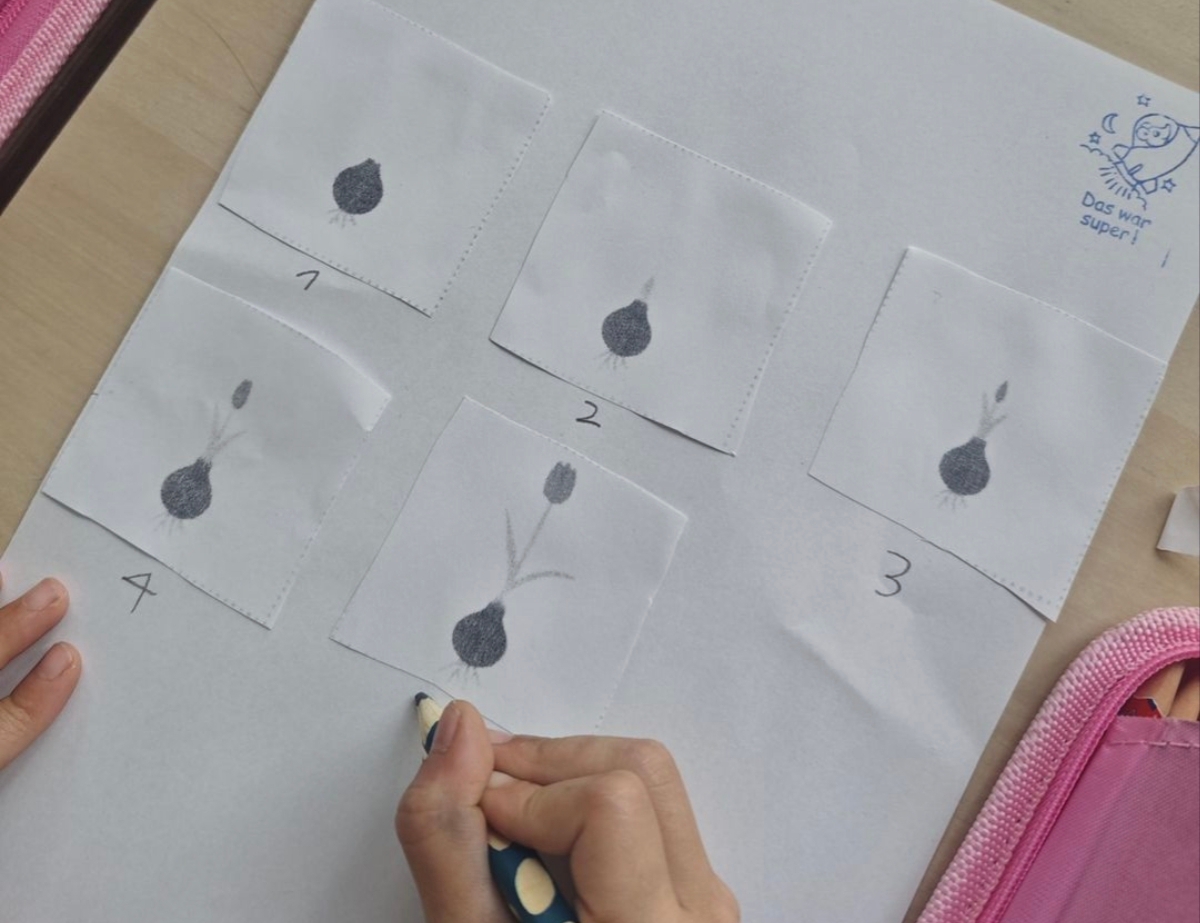
Auch im Elementar- und Vorschulbereich steht die Pflanzzeit im Frühling im Mittelpunkt pädagogischer Angebote. Hier setzen sich die Kinder intensiver mit dem Wachstum von Pflanzen auseinander. Sie lernen, was ein Samen benötigt, um zu keimen, und beobachten den Entwicklungsprozess vom ersten Austrieb bis zur sichtbaren Pflanze. Besonders spannend ist dabei der Zyklus von der Knolle bis zur vollständigen Blume, der gemeinsam erarbeitet und nachvollzogen wird. Ob in großen Beeten im Außengelände oder in kleinen Töpfen auf der Fensterbank – die Kinder übernehmen Verantwortung, pflegen ihre Pflanzen und dokumentieren Veränderungen. Die Pflanzzeit im Frühling wird so zu einem lebendigen Lernfeld, das naturwissenschaftliche Zusammenhänge altersgerecht vermittelt.
Pflanzzeit im Frühling
Early Experiences with Nature
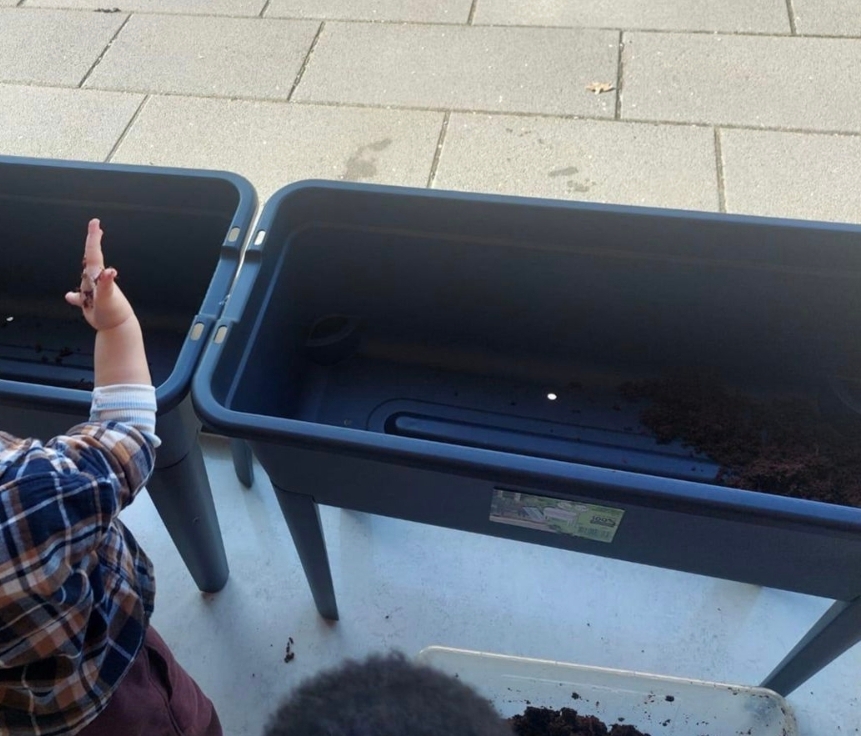
In spring, a very special planting season begins for our kindergarten, which all groups eagerly anticipate. Even the youngest children (under 3) get their first experiences with soil, seeds, and water. They discover playfully how tiny seeds transform into something living. The spring planting season offers them the opportunity to experience nature with all their senses – they feel the soil, observe the watering, and see first changes. These early encounters lay the foundation for an initial understanding of nature and awaken a joy of discovery.

From Seed to Plant
Even in early childhood and preschool settings, planting season in spring is a central focus of educational activities. Here, children engage more deeply with plant growth. They learn what a seed needs to germinate and observe the development process from the first sprout to the visible plant. The cycle is particularly fascinating, which is explored and understood together. Whether in garden beds or small pots in the room, the children take responsibility, care for their plants, and document the changes. So, this becomes a learning environment that shows scientific concepts in an age-appropriate way.
Planting Season in Spring
The planting season in spring impressively shows how diverse learning in nature can be. Children develop patience, a sense of responsibility, and an understanding of natural processes. They experience self-efficacy when something actually grows from their care. At the same time, fine motor skills, language, and cognitive abilities are supported. It connects all age groups and creates shared experiences that have a lasting impact. In the future, we would like to build on these experiences and develop further projects, for example cooking meals together from homegrown herbs or vegetables. In this way, the cycle is complete, from planting to enjoying the produce.